


OVERVIEW
Who Gives A Crap is a purpose-led toilet paper brand that donates 50% of profits to build toilets for communities in need. Sustainability, product quality, and an irreverent tone of voice sit at the core of the brand.
By refusing to behave like a traditional FMCG, the brand has built strong loyalty and recognition. In a highly commoditised category like household essentials, however, growth, particularly across global markets, requires more than a strong mission.
Paid social success demanded not just attention, but creative systems capable of delivering scale, diversity, and brand integrity simultaneously.
The Brief
Who Gives A Crap partnered with Aura Ads to accelerate global growth via paid social.
The goal wasn't simply to acquire more customers; it was to do so without diluting the personality, humour, and purpose that make the brand distinctive.

THE CHALLENGE
Scaling in paid social often rewards sameness. As brands optimise for short-term efficiency, creative becomes generic, eroding differentiation.
For Who Gives A Crap, the tension was clear: how do you scale customer acquisition without sounding like every other household essentials brand?
The paid social ecosystem also demanded creative diversity. Meta's evolving algorithms prioritise variety over narrow targeting. To win at scale, Aura needed to deliver enough creative variety to allow the platform to optimise performance, all whilst preserving the brand's irreverent voice.
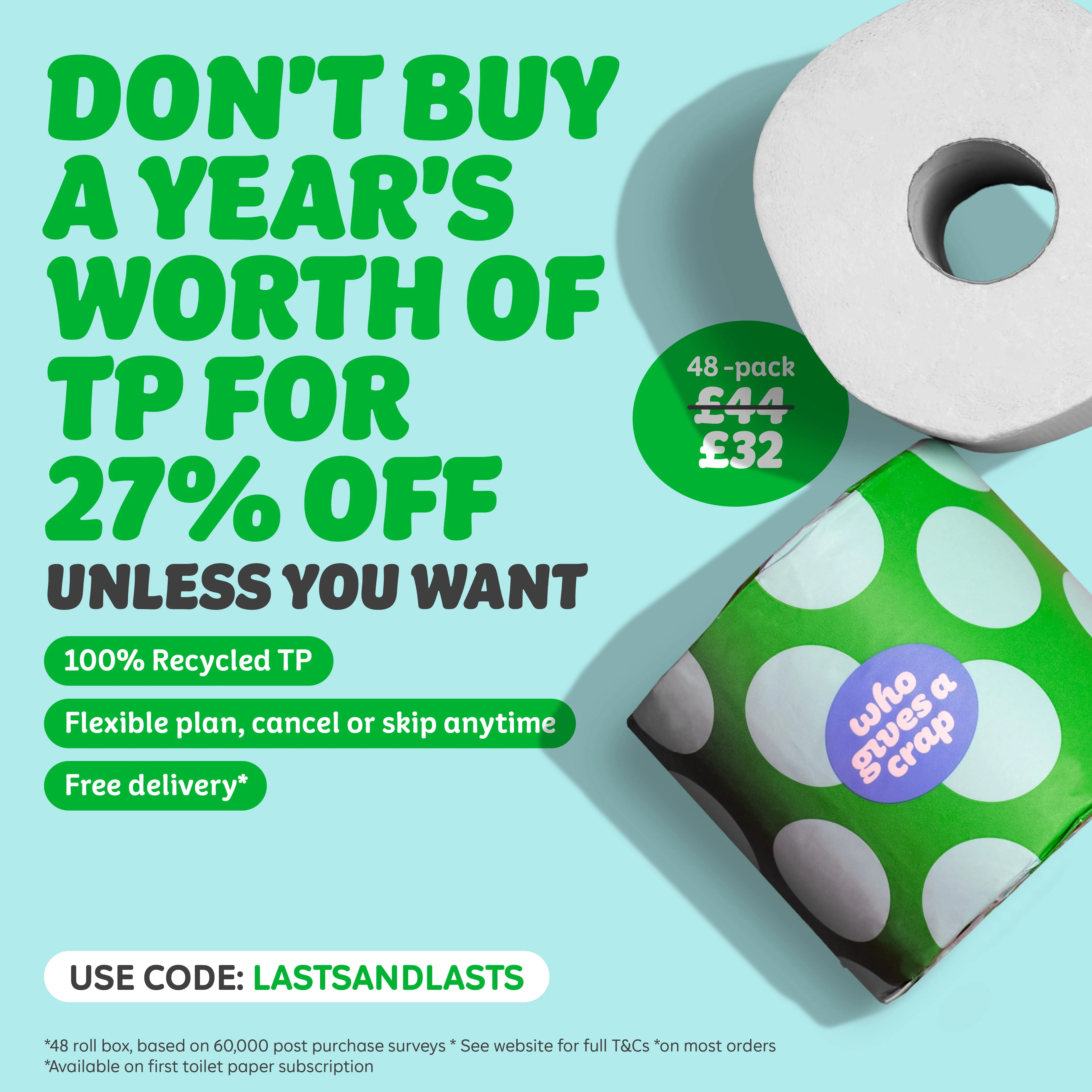
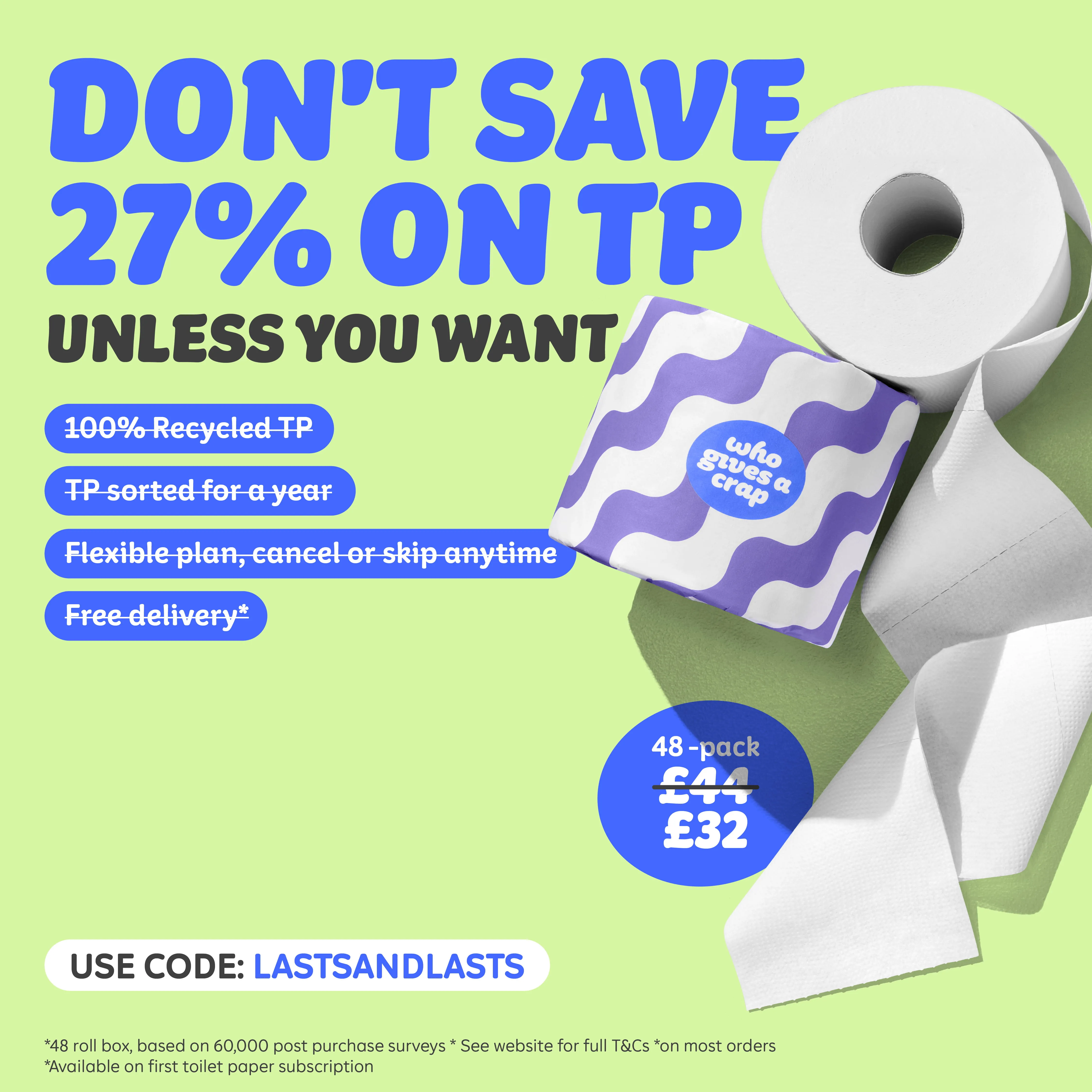
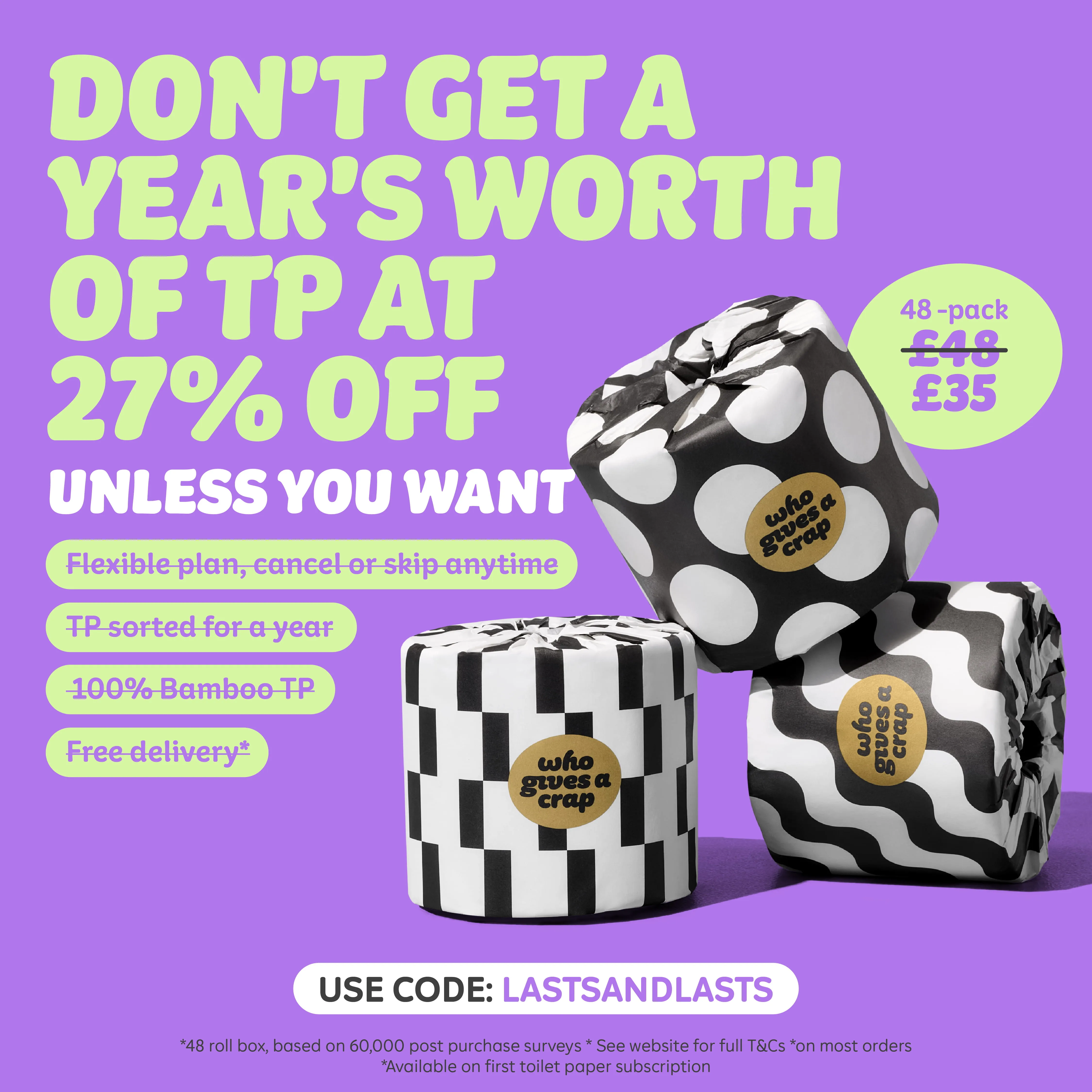

THE APPROACH
Aura Ads built a Creative Operating System: a disciplined workflow for generating, testing, learning from, and scaling creative concepts, all designed to protect the brand whilst driving growth.
We explored the brand's value proposition across multiple angles: sustainability, product quality, subscription convenience, and humour. Each concept was on-brand but emphasised different drivers of appeal, enabling us to identify what resonated most with audiences.
A critical unlock for Who Gives A Crap was matching the brand to creators who genuinely aligned with its purpose and personality. Rather than treating creators as just another ad format, we carefully vetted and partnered with individuals whose values and tone reflected the brand's irreverent, mission-driven approach. We also mapped creators to specific target personas, allowing us to reach new audience segments authentically. By pairing the right creator with the right message for each persona, we expanded Who Gives A Crap's total addressable market whilst maintaining brand integrity. This creator-matching strategy became central to finding new pockets of high-intent audiences across the UK, US, and Australia.
We produced content across multiple formats and styles, from polished brand assets to authentic creator content. This maximised coverage, reduced reliance on any single execution, and delivered statistical confidence in identifying winners. The creative diversity also gave Meta the signals needed to optimise delivery across markets.
Every concept entered a disciplined testing framework. Winners were scaled, underperforming ideas were cut quickly, and learnings were continuously fed back into subsequent cycles. This created a self-reinforcing engine of improvement.
Lorem ipsum dolor sit amet, consectetur adipiscing elit. Suspendisse varius enim in eros elementum tristique. Duis cursus, mi quis viverra ornare, eros dolor interdum nulla, ut commodo diam libero vitae erat. Aenean faucibus nibh et justo cursus id rutrum lorem imperdiet. Nunc ut sem vitae risus tristique posuere.

SOLUTION
The Creative Operating System became Who Gives A Crap's engine for global paid social growth. By combining structured concept exploration with a carefully curated creator network, Aura delivered a continuous pipeline of on-brand creative across the UK, US, and Australia, with each piece tailored to specific audience personas and optimised through rigorous testing cycles. The system gave the brand what most scaling frameworks sacrifice: volume without homogeneity. Hundreds of creative concepts entered testing each quarter, with winners scaled rapidly and learnings folded back into production. Creator-led content, matched to the brand's irreverent tone and mission-driven identity, became the primary vehicle for reaching new customer segments authentically. The result was a self-reinforcing creative machine, one that fed Meta's algorithm the diversity it needed to optimise delivery, whilst ensuring every ad still sounded unmistakably like Who Gives A Crap.
read more case studies


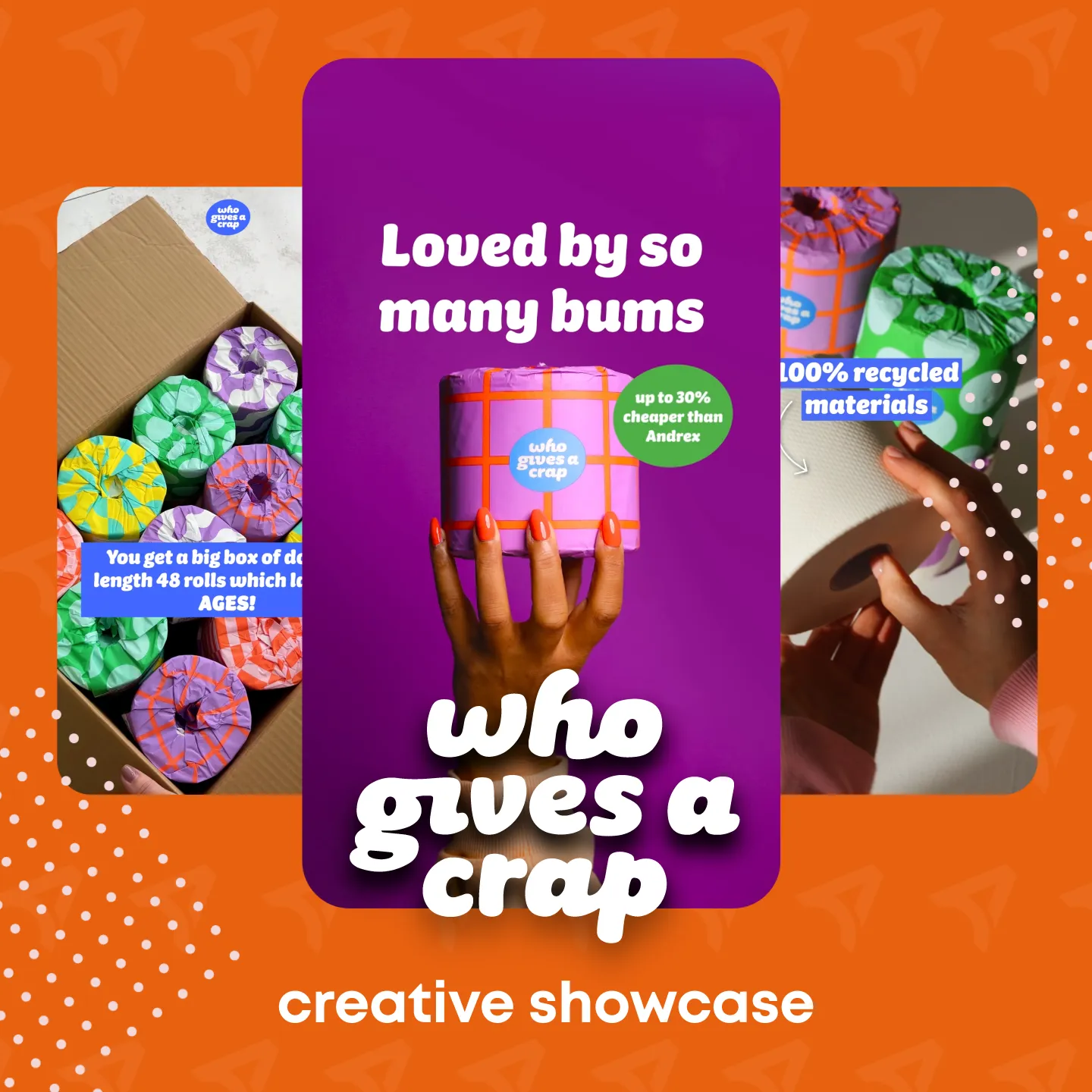



.jpg)


%20v6%20alt.jpg)
